
the not-much days
we weren't designed with a machine mentality

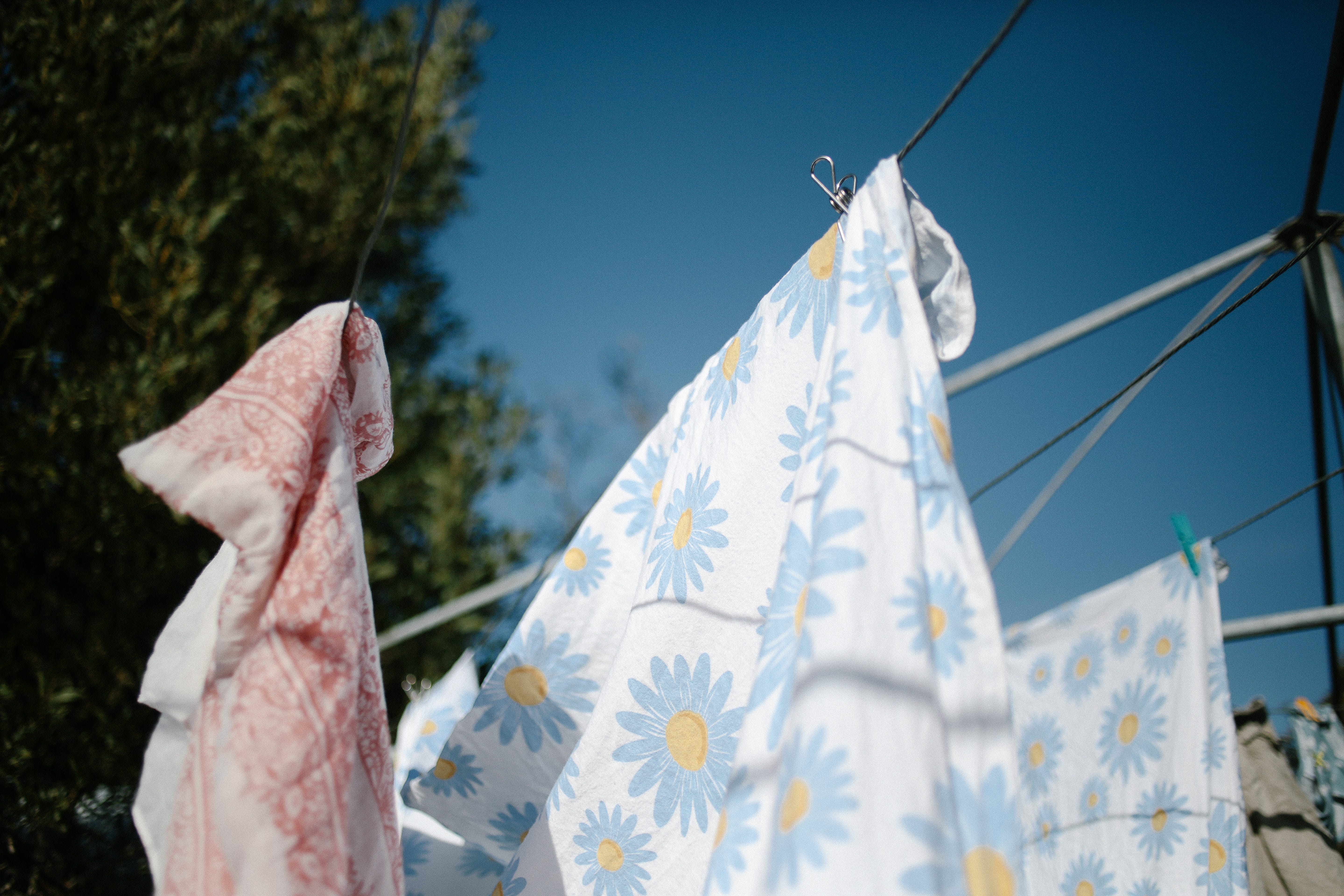
Oats soaked overnight become porridge with banana and maple syrup in the morning. I hang the washing out as early as possible so it has the best chance of drying before the sun dips too low and its left languishing on the line; definitely damp, not just cold. Bring some wood in, please! Collecting cups from around the house, small puddles of tea left to get cold. Books on a pillow, the bedside table, the desk, the coffee table, the dining table - open at a page, bookmarked with a torn scrap of paper, notes in the margin.
Moving in slow circles is how I would describe this week, one sort-of step in front of the other, occasionally tripping. Years ago I would have reprimanded myself for not using my time wisely; now I know these fallow periods where nothing much happens are necessary. But still, I feel a slight discomfort in them which is proof of all the messaging we’ve grown up with: a worthwhile day is a productive one, anything less is a waste.
In 1996, Emma Thompson said this at a press conference:
“The mind needs time to recover. You need to give yourself a lot of fallow time, I think. We’re all encouraged in this business to go: what’s next, what’s next, what’s next? And it inspires a form of greed, not financial greed, but a greed for overstimulation and…I think it’s time to just look at a tree.”
Thirty years on, it’s greed and a reliance on overstimulation that dulls our senses and steals our time. But when this greed is mixed up with optimisation culture, we adopt the mindset of a machine. I’m deeply uncomfortable about this because I can recognise the machine mentality in myself, even though I know my biology, I know my brain, I remind myself daily that I am nature. It exists as a niggling distraction, a tap on the shoulder, a shove when I least expect it.
Regardless, sometimes I have to just give in to the slow and do a whole lot of walking in circles. It’s far more enjoyable this way, rather than thinking you should be doing more, and belittling yourself when you try and you can’t.
Some days are not-much days; some seasons are like this, too. I’ve read so many interviews with Ann Patchett this week and now I can’t find the exact reference, but she mentions ‘long-format thinking’ – sinking deeply into a novel or a movie, listening to a record from first song to last (sequence is always purposeful). This stretching of the brain is easier when it’s soft, when the body is slow, when there’s a bit of space to consider. I always think of dough…it’s heavy and a bit sticky, but it stretches, too…and with time and care, it rises.
So, the next time you catch yourself thinking: I should be doing more, politely interrupt yourself with one question: am I a machine or am I nature?
When you answer with the latter, you’ll feel your shoulders relax and your breath deepen, and rather than carrying a sense of guilt for the rest of the day, you’ll allow yourself to carry on in the not-much space.
I quote Ann Patchett in my first book; these words from her 2008 essay What now?:
“What now is not just a panic-stricken question tossed out into the dark unknown. What now can also be our joy. It is a declaration of possibility, of promise, of chance.”
When we’re questioning ourselves and in that murky place where there’s little energy or clarity, asking what now? allows us to focus on the moment, instead of all the things that may come next. It’s a little more spacious, isn’t it? It doesn’t feel so urgent or alarming.
What now?
Sit with it; it’s okay if you don’t have an answer. You’ll know more, soon.
other things
I’m 100 pages into Whistler and well, aren’t we lucky to have Ann Patchett’s warm, wise words. I think her own sentence sums up my reading experience so far: “[it gives me] a shiver of gladness.”
if you’re drinking hot chocolate this winter, I recommend these marshmallows
Brooke Davis has a new novel out this year, 12 years after her debut Lost & Found was published to wide acclaim and translated into 20+ languages (not a common experience for Australian authors). I found a copy at the op-shop this week and I have no idea why I had never heard of it before — it’s wonderful!
Till next week, take care x
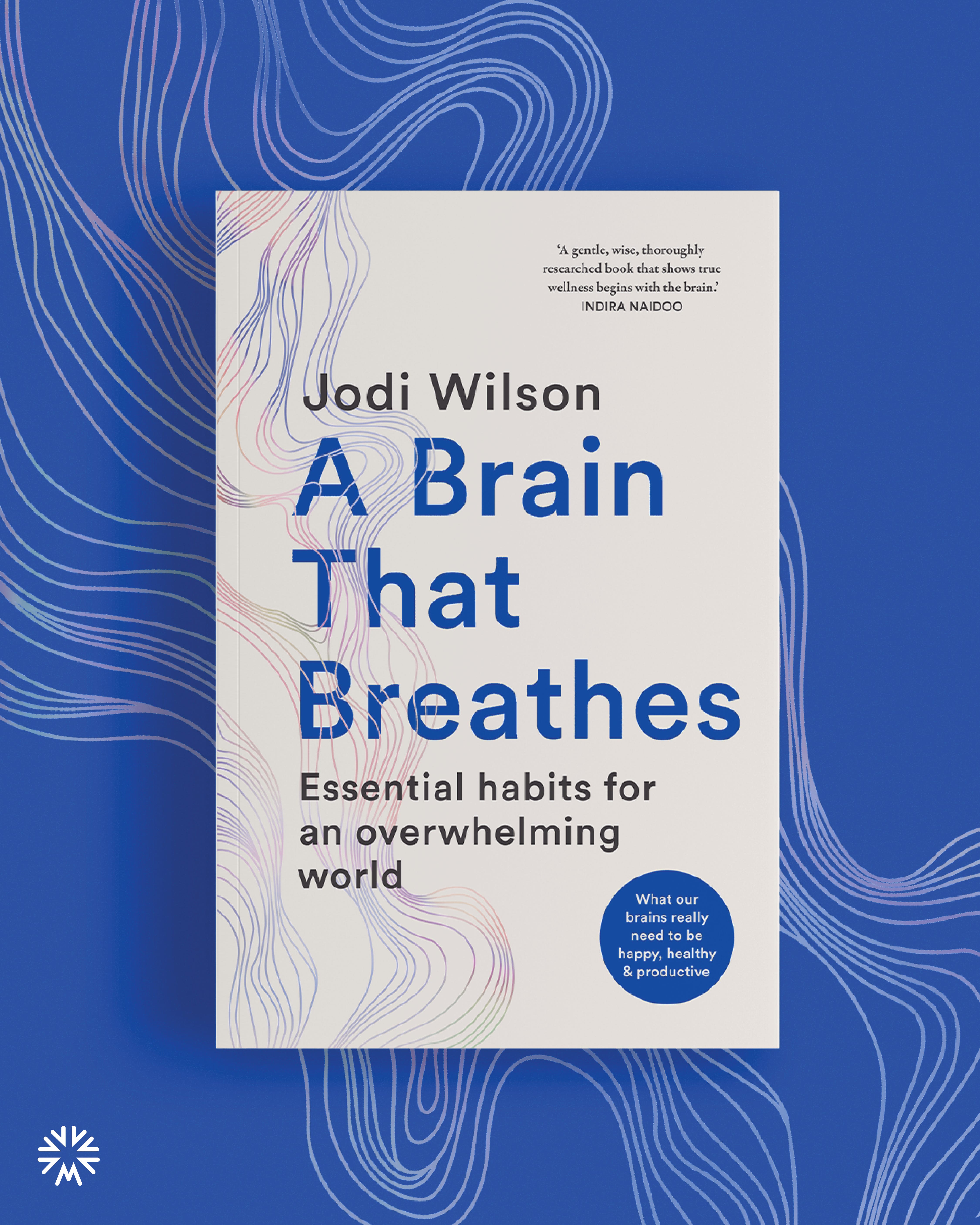
Lost & Found is one of those books I’ve thought back on since I first read it many years ago so I am very happy to hear she has a new books coming out.
I sometimes have what I call Goldfish Days. I’m somewhat productive doing what ever is in front of me, mixed with downtime for reading. No big to do list or triaging. I find them both satisfying & very restful. They often including, ironing, tidying & cooking a meal (not last minute thawing from the freezer). Maybe a bit of gardening or a walk.